


Equipment Needed for Reliable Temperature Mapping
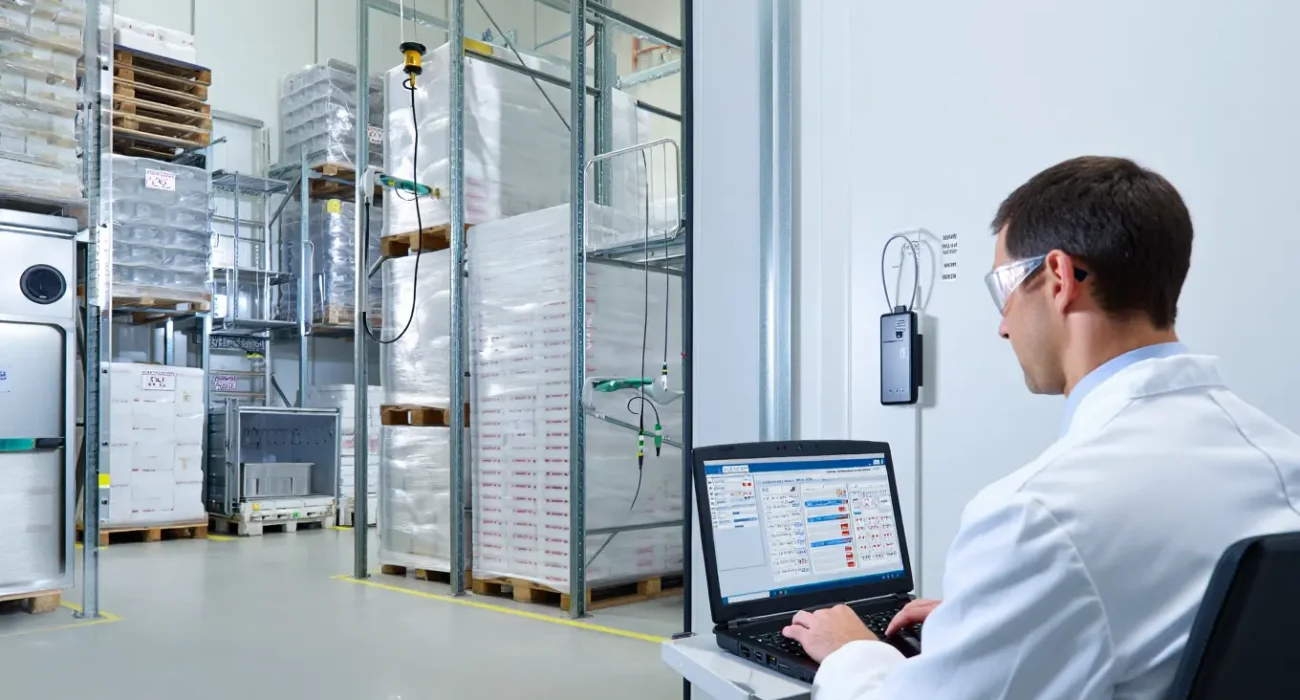
Reliable temperature control is essential in pharmaceutical, life sciences, and healthcare environments. Storage areas must maintain defined temperature ranges to ensure product quality, regulatory compliance, and patient safety. However, achieving reliable validation depends not only on methodology but also on using the correct equipment. Without suitable tools, even well designed mapping protocols can fail to meet GDP and GMP requirements.
Understanding the equipment needed for temperature mapping is critical for organisations responsible for validated storage environments. From calibrated data loggers to specialised software and validation protocols, each component plays a role in ensuring that temperature distribution is accurately assessed and documented.
This article outlines the essential equipment required for reliable temperature mapping and explains how the correct tools support compliance, inspection readiness, and operational integrity.
Why Equipment Selection Matters in Temperature Mapping
Temperature mapping is a validation activity. It must demonstrate that a storage environment performs consistently under defined conditions. If the equipment used during the study is inaccurate, poorly calibrated, or unsuitable for the environment, the results may be invalid.
Regulators expect mapping studies to be:
- Scientifically sound
- Based on calibrated instrumentation
- Fully traceable
- Documented with reliable data
- Conducted using validated methodology
Equipment selection directly affects data quality. Poor quality or improperly calibrated tools can lead to incorrect conclusions about storage suitability.
For this reason, selecting appropriate Temperature Mapping Equipment is a compliance decision, not just a technical one.
Calibrated Data Loggers
The Core of Any Mapping Study
Calibrated data loggers are the most critical component of temperature mapping. These devices continuously record temperature readings at defined intervals during the validation period.
Key characteristics of compliant data loggers include:
- Valid calibration certificates traceable to national standards
- Appropriate temperature range capability
- High accuracy and resolution
- Sufficient memory capacity
- Stable performance over extended monitoring periods
Calibration is essential. Regulators expect proof that measurement equipment is accurate and traceable. Calibration certificates must be current and available for inspection.
The number of data loggers used should reflect a documented risk assessment. Larger warehouses require more loggers to ensure representative coverage across racking levels, wall boundaries, and airflow zones.
Calibration Equipment and Traceability
Reliable temperature mapping depends on traceable calibration processes. Equipment must be calibrated against certified reference standards.
This may include:
- Accredited calibration laboratories
- Temperature reference probes
- Controlled calibration baths
- Documentation verifying traceability
Calibration traceability ensures that measurement results are defensible during inspection.
Failure to maintain calibration records can invalidate an entire mapping study, regardless of the data quality.
Mapping Software and Data Analysis Tools
Converting Raw Data Into Usable Validation Evidence
Data loggers alone are not sufficient. Reliable mapping requires robust software to extract, analyse, and present recorded temperature data.
Effective mapping software should provide:
- Automated data download
- Graphical representation of temperature distribution
- Statistical summaries
- Maximum and minimum analysis
- Mean kinetic temperature calculation where required
- Exportable validation reports
Software must also ensure data integrity. Audit trails and secure data storage are critical in regulated environments.
Manual data handling increases the risk of transcription errors. Automated analysis improves reliability and inspection readiness.
Sensor Placement Accessories
Correct sensor placement is essential for reliable results. Supporting equipment ensures data loggers are positioned accurately and consistently throughout the facility.
This may include:
- Logger brackets or mounting clips
- Suspension systems for racking levels
- Protective enclosures for refrigerated environments
- Position identification labels
Incorrect placement can distort results. For example, placing loggers directly in airflow vents may not reflect true storage conditions. A structured placement plan based on risk assessment is required.
Environmental Monitoring Systems Integration
Temperature mapping often complements permanent environmental monitoring systems. While mapping validates storage suitability, monitoring systems provide continuous oversight.
Integration between mapping equipment and monitoring systems helps ensure:
- Sensor placement is validated
- Alarm thresholds are appropriate
- Monitoring coverage is adequate
- Risk areas are identified and managed
Mapping results often determine optimal placement of permanent monitoring probes.
Equipment for Different Temperature Ranges
Ambient Storage
Ambient mapping typically requires loggers capable of measuring between 15 and 25 degrees Celsius with high accuracy.
Equipment must demonstrate:
- Stable performance across extended durations
- Minimal drift
- Sufficient resolution to detect minor fluctuations
Refrigerated Storage
Refrigerated environments demand loggers capable of accurate measurement between 2 and 8 degrees Celsius.
Additional considerations include:
- Condensation resistance
- Fast response time
- Reliable performance under humidity
Frozen Storage
Frozen mapping requires specialised loggers capable of measuring temperatures below minus 20 degrees Celsius.
These devices must:
- Withstand prolonged exposure to low temperatures
- Maintain calibration accuracy
- Record reliably without battery failure
Selecting incorrect equipment for extreme conditions can result in incomplete or unreliable data.
Validation Protocols and Documentation Templates
Although not physical equipment, validation documentation is an essential component of reliable mapping.
A structured protocol should define:
- Objectives of the study
- Acceptance criteria
- Logger quantity and placement
- Monitoring duration
- Data analysis methodology
- Deviation handling process
Templates for reports ensure consistency and clarity.
Reliable temperature mapping requires not only tools but also structured methodology.
Backup Power and Risk Mitigation Tools
Reliable studies must account for potential interruptions.
Supporting equipment may include:
- Backup batteries for data loggers
- Redundant loggers in high risk areas
- Emergency power supplies for HVAC systems
Risk mitigation ensures the study remains valid even if unexpected events occur.
Common Equipment Mistakes That Compromise Reliability
Organisations sometimes compromise mapping reliability through equipment related errors.
Common mistakes include:
- Using non calibrated data loggers
- Relying on consumer grade equipment
- Inadequate number of loggers
- Failure to account for environmental extremes
- Poor documentation of calibration status
These weaknesses can invalidate a study during inspection.
Temperature mapping is a regulatory validation exercise. Equipment must meet compliance standards.
The Role of Professional Expertise
Reliable equipment alone does not guarantee compliant validation. Expertise in protocol development, risk assessment, and regulatory interpretation is equally important.
A structured Temperature Mapping Service ensures that appropriate equipment is selected, calibration is verified, and studies are performed in line with GDP and GMP expectations.
Professional oversight ensures that validation results are defensible and inspection ready.
Future Trends in Temperature Mapping Equipment
Advancements in technology are improving mapping reliability.
Emerging developments include:
- Wireless data logging systems
- Real time cloud based monitoring
- Enhanced analytics software
- Improved battery performance
- Integrated compliance dashboards
While technology evolves, regulatory expectations remain focused on traceability, accuracy, and documented validation.
Equipment must always be selected based on compliance suitability rather than convenience.
Conclusion
Reliable temperature mapping depends on selecting appropriate equipment, maintaining calibration traceability, and following structured validation methodology.
From calibrated data loggers and analysis software to documented protocols and risk based placement strategies, every element contributes to defensible and inspection ready validation.
Organisations operating in regulated pharmaceutical environments must treat equipment selection as a compliance decision.To ensure your facility uses validated tools and structured methodology aligned with GDP and GMP requirements, Contact Us to speak with our regulatory specialists.