


Future of Temperature Mapping: IoT and Real-Time Monitoring
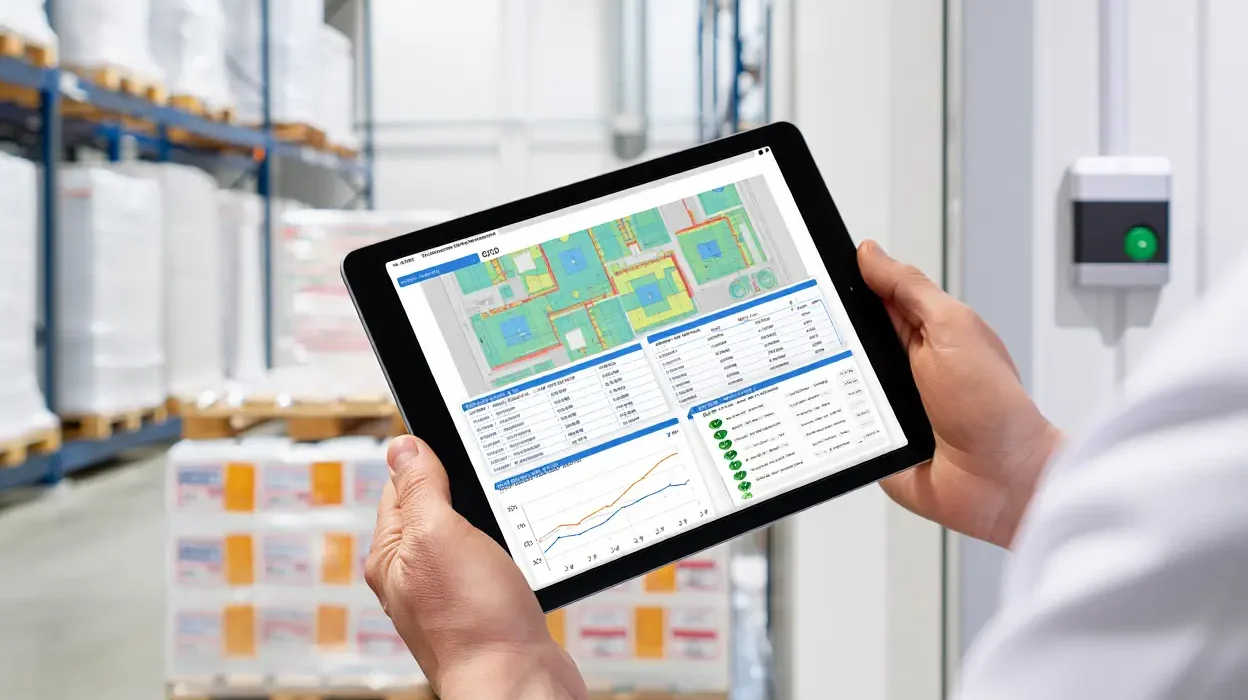
The pharmaceutical industry is undergoing rapid digital transformation. Regulatory expectations continue to tighten, supply chains are becoming more complex, and inspection standards are increasingly data driven. In this evolving environment, traditional temperature mapping methods are being enhanced by connected technologies, automation, and intelligent monitoring systems.
The future of temperature mapping lies in the integration of Internet of Things technology and real-time environmental monitoring. These systems are reshaping how pharmaceutical warehouses, manufacturing sites, and distribution networks manage temperature control, validate storage areas, and demonstrate compliance with GDP and GMP requirements.
This article explores how IoT and real-time monitoring are influencing temperature validation practices, how regulators view these technologies, and what organisations should consider when modernising their compliance strategy.
Traditional Temperature Mapping: The Foundation
Before examining the future, it is important to understand the traditional model.
Conventional temperature mapping involves:
- Risk-based placement of calibrated data loggers
- Monitoring over a defined validation period
- Manual data download and analysis
- Identification of hot and cold spots
- Issuance of a validation report
This approach remains essential. Regulatory authorities still expect formal qualification studies when:
- A facility is commissioned
- Significant changes occur
- Seasonal extremes must be assessed
- Requalification is required
However, traditional mapping is periodic. It provides a snapshot of performance rather than continuous visibility.
As regulatory scrutiny increases and supply chains become more dynamic, organisations are seeking systems that provide real-time oversight rather than retrospective validation.
What Is IoT in Temperature Monitoring
The Internet of Things refers to connected devices that collect and transmit data via secure networks without manual intervention.
In temperature controlled pharmaceutical environments, IoT typically involves:
- Wireless temperature sensors
- Cloud-based monitoring platforms
- Real-time alert systems
- Automated reporting dashboards
- Remote access to environmental data
These technologies allow organisations to monitor temperature conditions continuously rather than relying solely on periodic mapping exercises.
IoT systems do not replace temperature mapping. Instead, they enhance environmental control and provide additional compliance assurance.
Real-Time Monitoring Versus Periodic Validation
Understanding the distinction between validation and monitoring is essential.
Temperature mapping validates that a storage environment is suitable for use. It confirms that temperature distribution is uniform and within defined limits.
Real-time monitoring continuously measures environmental conditions during routine operations.
When integrated correctly, the two functions complement each other:
- Mapping determines where monitoring probes should be placed.
- Monitoring verifies that conditions remain compliant over time.
- Real-time data supports risk-based decision making.
- Automated alerts reduce excursion duration.
The future of temperature compliance lies in integrating both approaches into a unified validation and monitoring strategy.
Regulatory Perspective on IoT and Digital Monitoring
Regulators in the UK and EU focus on outcomes rather than technology preference. The core requirements remain:
- Storage conditions must be controlled.
- Monitoring systems must be reliable.
- Data must be accurate and traceable.
- Deviations must be investigated.
- Documentation must be inspection ready.
IoT solutions are acceptable provided they meet data integrity requirements.
Key regulatory considerations include:
- Data integrity compliance
- Audit trails
- System validation
- Cybersecurity controls
- Calibration traceability
A connected monitoring system must be validated as a computerized system where applicable. This includes documented system validation, access control, and backup procedures.
The introduction of IoT does not reduce regulatory burden. It shifts focus toward data governance and digital compliance.
Advantages of IoT in Temperature Control
Continuous Visibility
Real-time monitoring eliminates blind spots between periodic mapping studies. Environmental conditions are visible at all times.
Immediate Alerts
Automated alerts notify responsible personnel when temperatures approach or exceed defined thresholds. This reduces response time and potential product impact.
Data Analytics
Cloud-based platforms allow trend analysis over weeks, months, or years. Patterns in environmental performance can be identified and addressed proactively.
Remote Access
Quality managers can review data remotely, improving oversight across multiple facilities.
Reduced Manual Intervention
Automated data collection reduces the risk of transcription errors and improves efficiency.
These advantages strengthen compliance when implemented correctly.
Integration with Quality Management Systems
Modern IoT monitoring systems are increasingly integrated with broader Quality Management Systems.
Integration may include:
- Automatic deviation generation
- CAPA workflow triggers
- Environmental performance dashboards
- Audit preparation tools
This integration supports inspection readiness by ensuring environmental data is structured and accessible.
However, integration must be validated and documented. Uncontrolled system interfaces can create compliance gaps.
Data Integrity in Real-Time Monitoring
Data integrity remains central to regulatory compliance.
IoT monitoring systems must ensure:
- Secure data transmission
- Protection against unauthorized access
- Audit trail functionality
- Time stamped records
- Backup and recovery processes
Regulators expect digital systems to comply with data integrity principles.
Organisations adopting IoT solutions must perform risk assessments and validation activities to demonstrate system reliability.
The Role of Temperature Mapping in an IoT-Enabled Future
Even with advanced monitoring technology, temperature mapping remains essential.
Mapping is required to:
- Qualify new facilities
- Validate major modifications
- Confirm seasonal performance
- Establish baseline distribution patterns
A professional Temperature Mapping Service remains critical for validating storage suitability before relying on continuous monitoring systems.
IoT does not eliminate the need for structured validation. It strengthens ongoing oversight once qualification is complete.
Predictive Monitoring and Artificial Intelligence
The next stage in temperature monitoring involves predictive analytics.
Advanced systems can:
- Identify trends before excursions occur
- Detect abnormal performance patterns
- Predict HVAC failures
- Recommend preventive maintenance
Predictive monitoring enhances risk management and reduces operational disruption.
However, predictive systems must still operate within a validated and controlled framework.
Cybersecurity Risks in Connected Monitoring
As facilities adopt connected technologies, cybersecurity becomes a compliance concern.
Risks include:
- Unauthorized system access
- Data manipulation
- Service interruption
- Loss of monitoring capability
Organisations must ensure:
- Secure network architecture
- Role-based access control
- Regular system audits
- Data encryption
Cybersecurity controls are now part of regulatory expectation for digital systems.
The Future Regulatory Landscape
Regulatory authorities are increasingly comfortable with digital monitoring systems provided compliance principles are maintained.
Future inspection trends are likely to focus on:
- Data integrity verification
- System validation documentation
- Cybersecurity governance
- Integration with quality systems
- Evidence of continuous improvement
Organisations that combine structured validation with intelligent monitoring will be better positioned for future regulatory scrutiny.
Strategic Considerations for Pharmaceutical Facilities
When evaluating IoT and real-time monitoring, organisations should consider:
- Current validation maturity
- Facility complexity
- Regulatory exposure
- Risk tolerance
- IT infrastructure capability
Digital transformation should be planned strategically rather than implemented reactively.
A hybrid model combining validated temperature mapping and intelligent monitoring provides the strongest compliance position.
Conclusion
The future of temperature mapping is not about replacing traditional validation methods. It is about enhancing environmental control through intelligent, connected technologies.
IoT and real-time monitoring systems provide continuous visibility, faster response times, and improved data analytics. However, they must operate within validated frameworks aligned with GDP and GMP requirements.
Structured qualification, risk-based validation, and documented compliance remain foundational.
Organisations that integrate traditional mapping with advanced monitoring will strengthen regulatory confidence and operational resilience.To explore how your facility can combine structured validation with modern monitoring solutions, Contact Us to speak with our regulatory specialists.