The Compliance Challenge Is Not Proportional to Size
Regulatory expectations for Good Manufacturing Practice do not scale with the size of a pharmaceutical company. A small manufacturer or contract development organisation operating under MHRA, FDA, or EMA oversight faces essentially the same …
Why Risk Is the Right Framework for GMP Auditing
Most pharmaceutical and life sciences organisations treat GMP audits as compliance exercises: a scheduled review, a checklist, a report. That approach is not wrong, but it is increasingly insufficient. Regulatory bodies have moved well beyond th…
Introduction
A successful WDA inspection is rarely the result of last-minute polishing. It is usually the visible outcome of deeper operational discipline. Inspectors do not simply assess whether a business has documents, tidy shelves, and a prepared host. They assess whether the organisation …
Introduction
Securing a WDA licence is often treated as the finish line. In reality, it is the point at which the real compliance burden begins. Approval confirms that the licensing authority was satisfied at the time of assessment, but it does not reduce the organisation’s obligations after…
Introduction
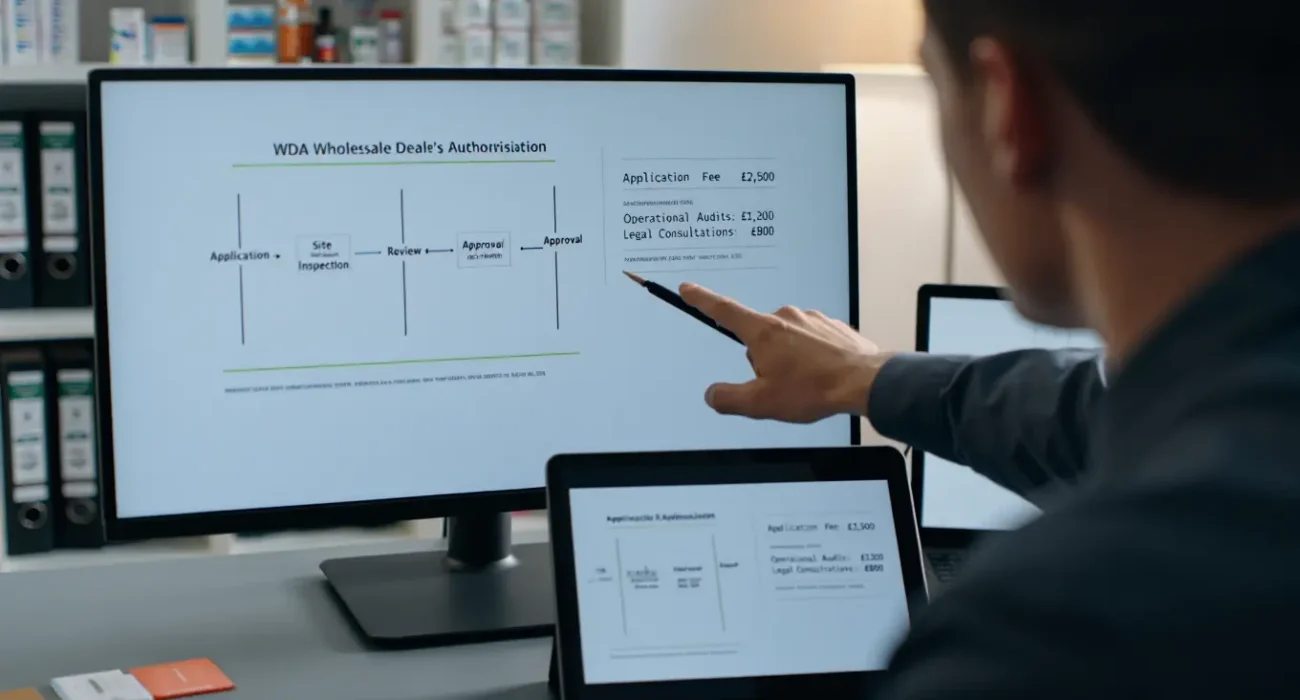
One of the most common mistakes in WDA planning is assuming that cost is mainly about the application fee and that timing is mainly about how fast a form can be submitted. Both assumptions are wrong. In reality, the true cost of obtaining a WDA licence includes regulatory fees, in…
Introduction
In pharmaceutical trade, credibility is rarely created by marketing alone. It is created by the ability to move regulated products through regulated channels without compromising quality, traceability, or legal control. That is why a Wholesale Dealer Authorisation matters far beyo…
We use cookies to improve user experience and analyse website traffic. By clicking “Accept“, you agree to our website's cookie use as described in our Cookie Policy.