


Regulatory Requirements for Temperature Mapping in the UK & EU
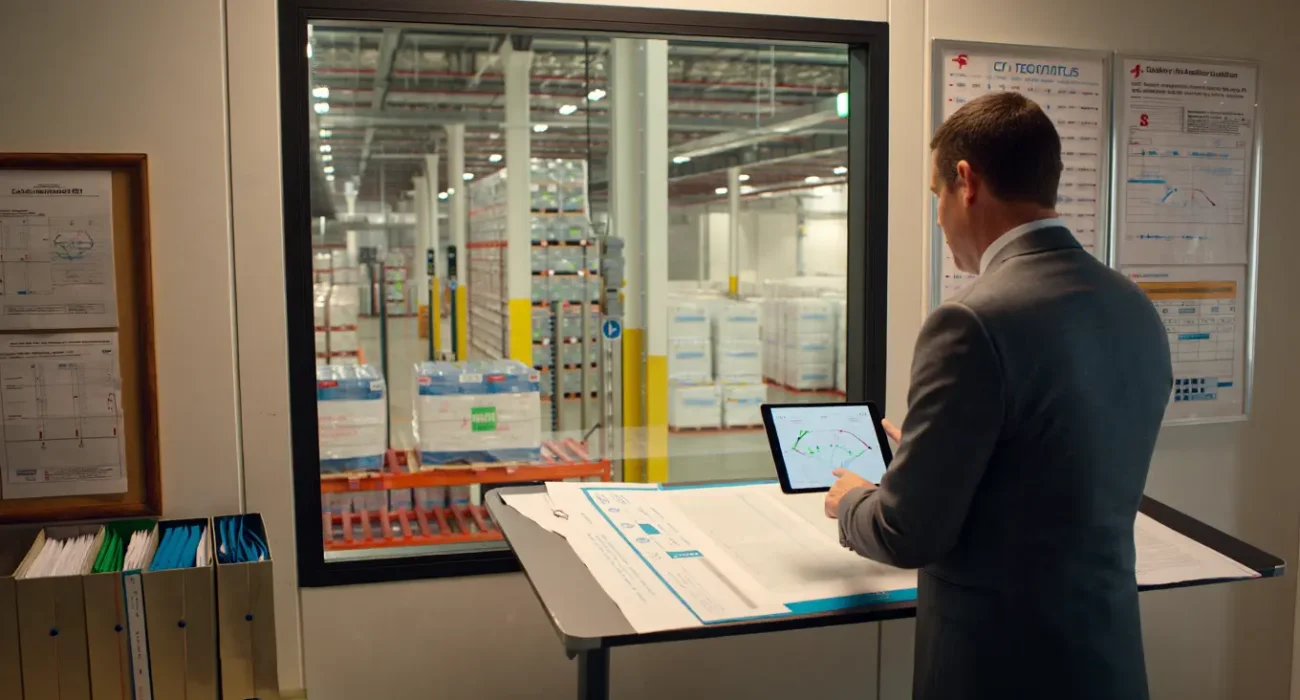
Temperature control is a fundamental regulatory obligation within pharmaceutical storage, distribution, and manufacturing environments. Across the United Kingdom and the European Union, regulatory authorities require documented evidence that medicinal products are stored and transported within defined temperature conditions. These expectations are not optional. They form part of legally enforceable Good Distribution Practice and Good Manufacturing Practice frameworks.
Understanding Temperature Mapping Regulations in the UK and EU is critical for organisations responsible for pharmaceutical warehouses, cold chain logistics, and controlled storage facilities. Temperature mapping is not simply a technical study. It is a validation activity that demonstrates compliance, protects product integrity, and ensures inspection readiness.
This article outlines the regulatory framework governing temperature mapping in the UK and EU, clarifies what inspectors expect to see, and explains how structured validation supports compliance.
Why Temperature Mapping Is a Regulatory Requirement
Medicinal products are sensitive to environmental conditions. Exposure to temperatures outside defined limits can affect stability, potency, and safety. For this reason, regulators require companies to demonstrate that storage environments are suitable for their intended purpose.
Temperature mapping validates that:
- Storage areas maintain required temperature ranges
- Environmental conditions are uniform across the facility
- Monitoring systems are appropriately positioned
- Alarm thresholds are set based on validated data
- Risk areas are identified and mitigated
Without mapping studies, organisations cannot demonstrate that storage conditions are consistently controlled.
Regulatory inspections frequently assess environmental validation activities. A lack of structured temperature mapping is commonly cited as a deficiency during GDP and GMP inspections.
UK Regulatory Framework for Temperature Mapping
In the United Kingdom, pharmaceutical storage and distribution activities are governed by:
- UK Good Distribution Practice guidelines
- UK Good Manufacturing Practice regulations
- Medicines and Healthcare products Regulatory Agency inspection standards
Although the UK has left the European Union, GDP and GMP expectations remain closely aligned with EU principles.
UK GDP Expectations
Under UK GDP guidelines, wholesale distributors must ensure medicinal products are stored under appropriate conditions as defined by the manufacturer.
Key requirements include:
- Qualification of storage areas
- Monitoring of temperature conditions
- Investigation of excursions
- Maintenance of documented records
- Periodic review of environmental performance
Temperature mapping supports these obligations by demonstrating that the storage facility is capable of maintaining defined conditions across its entire footprint.
Regulators expect mapping studies to be risk based and supported by documented protocols.
UK GMP Requirements
UK GMP, aligned with Annex 15 of the EU GMP framework, requires qualification and validation of facilities and equipment.
Storage areas used for medicinal products must be qualified to confirm suitability.
Qualification typically includes:
- Installation assessment where applicable
- Operational qualification through temperature mapping
- Performance confirmation under routine use
Temperature mapping forms part of operational qualification by confirming environmental performance over time.
Facilities must also reassess storage suitability following significant changes such as:
- Warehouse expansion
- Installation of new racking
- HVAC system modifications
- Increased product load
Failure to requalify after changes can result in inspection findings.
EU Regulatory Framework for Temperature Mapping
Across the European Union, temperature mapping requirements fall under:
- EU GDP Guidelines
- EU GMP Annex 15
- EU GMP Annex 16 where applicable
- European Medicines Agency inspection expectations
The principles are consistent with UK expectations but apply across EU member states.
EU GDP Requirements
The EU GDP Guidelines require distributors to ensure that medicinal products are stored under conditions that comply with their marketing authorisation.
This includes:
- Controlled storage environments
- Qualified storage areas
- Continuous monitoring systems
- Investigation and documentation of excursions
- Risk based validation
Temperature mapping provides evidence that storage areas perform consistently and support ongoing monitoring.
Inspectors expect mapping to confirm that permanent monitoring probes are positioned in representative locations.
EU GMP Annex 15 and Validation
Annex 15 of EU GMP outlines expectations for qualification and validation. Storage facilities must be qualified to demonstrate they are suitable for use.
Temperature mapping supports:
- Initial qualification
- Requalification at defined intervals
- Validation following change
- Risk assessment updates
Regulators expect mapping protocols to define:
- Acceptance criteria
- Logger placement
- Study duration
- Data analysis methodology
- Deviation handling
The absence of structured validation can undermine overall facility qualification status.
What Inspectors Expect to See
During inspections, regulators typically request:
- Approved mapping protocols
- Calibration certificates for data loggers
- Raw temperature data
- Statistical summaries
- Identification of hot and cold spots
- Deviation investigations
- Corrective action records
- Final validation reports
Inspectors assess whether mapping was conducted scientifically and whether conclusions are supported by data.
Common deficiencies observed during inspections include:
- Inadequate number of data loggers
- Failure to perform seasonal mapping
- Poorly documented protocols
- Lack of requalification schedule
- Absence of risk assessment
Understanding Temperature Mapping Regulations means understanding not only the guidelines but also how inspectors interpret them.
Seasonal Mapping Expectations in the UK and EU
Regulators expect companies to consider seasonal variation when validating storage environments.
Facilities must demonstrate that environmental control systems maintain performance during:
- Peak summer temperatures
- Cold winter conditions
- High humidity periods
Seasonal mapping provides additional assurance that storage conditions remain stable year round.
Failure to account for seasonal extremes may be viewed as incomplete validation.
Risk Based Approach to Temperature Mapping
Both UK and EU frameworks emphasise risk management.
A compliant temperature mapping study must include:
- Documented risk assessment
- Identification of worst case locations
- Justification for logger placement
- Defined acceptance criteria
- Clear deviation handling procedures
Risk based mapping ensures that validation activities are proportionate to facility complexity and product sensitivity.
Documentation Requirements Under Regulatory Standards
Temperature mapping documentation must be clear, structured, and inspection ready.
A complete validation package should include:
- Validation protocol
- Equipment calibration certificates
- Raw data records
- Data analysis output
- Summary report
- Approved conclusions
- Deviation records
- Corrective actions
Documentation must be retained within the Quality Management System and available for inspection.
Inadequate documentation can invalidate an otherwise acceptable study.
The Consequences of Non Compliance
Failure to comply with temperature mapping regulations can result in:
- Regulatory observations
- Warning letters
- Suspension of licence
- Product quarantine
- Costly product stability assessments
- Reputational damage
Temperature validation is therefore not simply a procedural requirement. It is a safeguard against operational and regulatory risk.
Implementing Compliant Temperature Mapping in Practice
Compliant implementation requires:
- Structured protocol development
- Calibrated and traceable equipment
- Risk based logger placement
- Defined monitoring duration
- Comprehensive data analysis
- Clear reporting
Organisations seeking regulatory alignment often rely on a professional Temperature Mapping Service to ensure studies meet UK and EU compliance standards.
Professional support ensures validation methodology aligns with inspector expectations and reduces compliance risk.
Harmonisation Between UK and EU Standards
Although the UK and EU operate under separate regulatory frameworks, temperature mapping expectations remain highly aligned.
Both require:
- Qualification of storage areas
- Risk based validation
- Seasonal consideration
- Documented evidence
- Ongoing review
Organisations operating across multiple jurisdictions should implement a harmonised validation approach to ensure consistency and efficiency.
Strengthening Compliance Through Proactive Validation
Proactive validation supports:
- Reduced inspection risk
- Improved operational reliability
- Enhanced product protection
- Greater regulatory confidence
Temperature mapping should be integrated into broader quality systems, including environmental monitoring, deviation management, and change control.
A continuous validation strategy ensures long term compliance.
Conclusion
Temperature mapping is a regulatory requirement under both UK and EU pharmaceutical frameworks. It validates that storage environments maintain defined temperature conditions and provides documented evidence of compliance.
Understanding Temperature Mapping Regulations enables organisations to design structured validation programmes that align with GDP and GMP expectations.
Failure to validate storage areas properly can expose organisations to regulatory findings and operational disruption.To ensure your facility remains compliant with UK and EU regulatory requirements, Contact Us to speak with our regulatory specialists about structured validation support.