


Case Study: Temperature Mapping for Pharmaceutical Warehouses
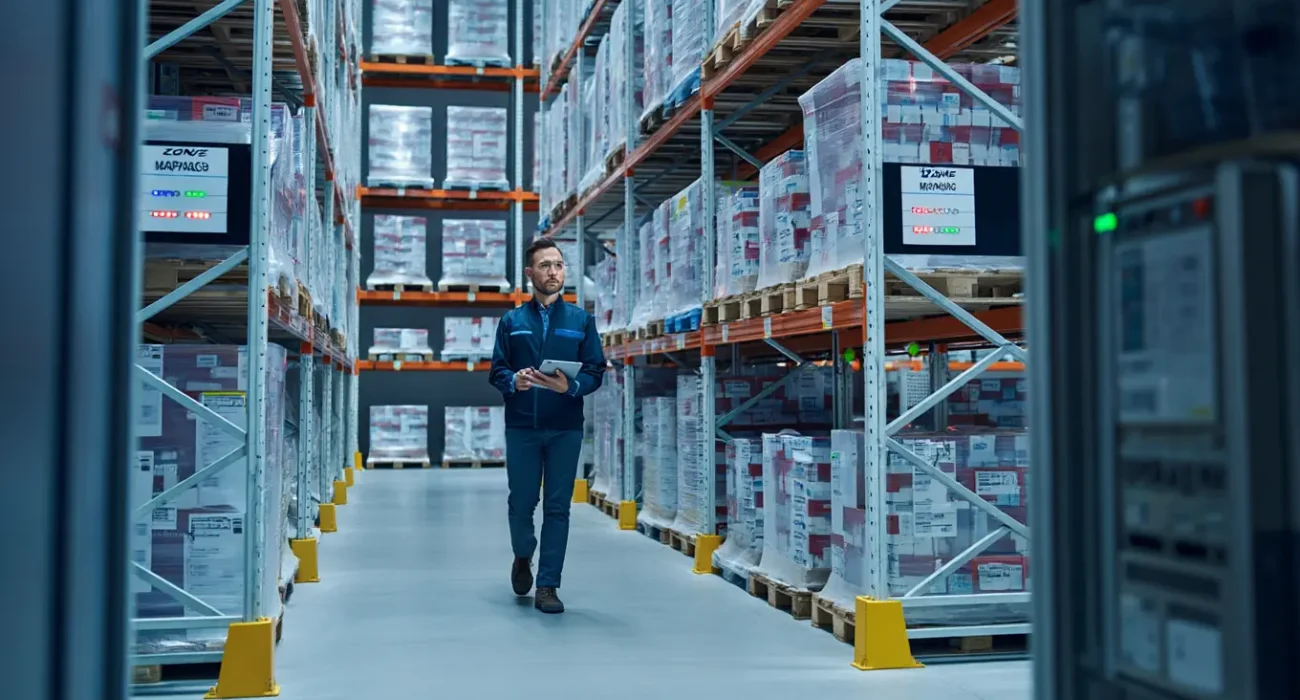
Pharmaceutical warehouses operate under strict regulatory control. Every medicinal product stored within these facilities must be protected against temperature excursions that could compromise stability, efficacy, and patient safety. Regulatory authorities require documented evidence that storage areas maintain the temperature conditions specified within product licences and stability data.
This case study examines a structured temperature mapping project conducted for a pharmaceutical wholesale distribution warehouse operating under GDP requirements. It demonstrates how a comprehensive Temperature Mapping Service supports regulatory compliance, identifies environmental risk, and strengthens inspection readiness.
Background: The Warehouse Environment
The facility in question was a mid sized pharmaceutical distribution warehouse handling:
- Ambient medicinal products
- Refrigerated products between 2 and 8 degrees Celsius
- Controlled storage areas for high value stock
- Bulk racking systems reaching significant vertical height
The warehouse supplied pharmacies, hospitals, and healthcare providers across the UK. As a GDP compliant wholesaler, the organisation was required to demonstrate that its storage areas maintained consistent temperature conditions year round.
The company had an environmental monitoring system in place. However, no recent full temperature mapping study had been conducted following warehouse expansion and HVAC modification. This created a regulatory risk.
Regulatory Drivers for the Mapping Study
The mapping project was initiated due to several compliance triggers:
- Expansion of storage footprint
- Installation of new racking
- Increase in product throughput
- Upcoming regulatory inspection
- Seasonal variation concerns
Under EU GDP guidance, significant changes to storage areas require requalification to ensure continued suitability.
The objective of the mapping study was to:
- Validate temperature uniformity across the warehouse
- Confirm performance of HVAC systems
- Identify hot and cold spots
- Assess recovery times after door openings
- Provide inspection ready documentation
Step One: Risk Assessment and Protocol Development
Before deploying any equipment, a structured risk assessment was conducted. This included:
- Review of warehouse layout
- Analysis of airflow patterns
- Identification of potential risk areas near doors and loading bays
- Evaluation of racking height and stock density
- Review of historical monitoring data
Based on this assessment, a formal validation protocol was developed outlining:
- Number of data loggers required
- Precise logger placement locations
- Monitoring duration
- Acceptance criteria
- Deviation management procedure
- Reporting structure
Protocol approval was obtained prior to study initiation to ensure alignment with the Quality Management System.
Step Two: Deployment of Calibrated Data Loggers
A sufficient number of calibrated data loggers were deployed across the warehouse. Placement included:
- Top, middle, and bottom racking levels
- Perimeter walls
- Central floor area
- Near loading bay doors
- Adjacent to HVAC outlets
- Areas previously identified as higher risk
Loggers were programmed to record temperature at consistent intervals over a defined monitoring period.
Calibration certificates were verified and included within the validation documentation package.
The monitoring period covered representative operational conditions, including routine loading and unloading activity.
Step Three: Data Collection and Analysis
Following completion of the monitoring period, data loggers were retrieved and downloaded using validated software.
Analysis focused on:
- Maximum recorded temperature
- Minimum recorded temperature
- Average temperature across zones
- Identification of hot and cold spots
- Duration of any excursions
- Recovery times following door openings
Graphical mapping was created to visualise temperature distribution throughout the warehouse.
Data confirmed that the majority of the warehouse maintained temperatures within the required ambient range. However, minor variability was observed near the loading bay doors during peak operational hours.
Findings and Corrective Actions
The mapping study identified two key observations:
- Slight temperature elevations near external loading doors during prolonged open periods.
- Minor stratification at the highest racking levels in one storage zone.
Although results remained within acceptable limits, the company implemented proactive corrective actions:
- Adjustment of door management procedures
- Installation of additional air circulation support
- Refinement of monitoring probe placement
These actions strengthened environmental control and reduced risk of future excursions.
Importantly, the mapping study provided documented evidence that the warehouse remained compliant at the time of validation.
Seasonal Mapping Considerations
Given the variability observed near loading bays, the company elected to perform seasonal mapping during peak summer conditions.
Seasonal validation assessed:
- Performance of HVAC under higher external temperatures
- Stability of internal temperature during extended door openings
- Consistency across high racking zones
Results confirmed that the corrective measures implemented after the initial study effectively stabilised temperature distribution.
Seasonal validation strengthened inspection readiness and demonstrated proactive compliance management.
Refrigerated Storage Validation
In addition to ambient mapping, the facility operated refrigerated storage units for temperature sensitive products.
A separate mapping study was conducted for refrigerated rooms maintained between 2 and 8 degrees Celsius.
This study focused on:
- Air circulation efficiency
- Compressor cycling performance
- Recovery time following door opening
- Uniformity across shelving
Data confirmed acceptable performance with no significant variability.
Validation documentation included calibration records, raw data, statistical analysis, and approved conclusions.
Inspection Outcome
Shortly after completion of the mapping project, the facility underwent a routine GDP inspection.
Inspectors requested:
- Temperature mapping protocols
- Raw data records
- Calibration certificates
- Deviation investigations
- Corrective action documentation
The warehouse was able to provide a complete validation package demonstrating structured methodology and proactive risk management.
No critical findings were issued in relation to environmental control.
The inspection report specifically acknowledged the thoroughness of temperature validation activities.
Lessons Learned from the Case Study
This case study highlights several important principles for pharmaceutical warehouse operators.
1. Environmental Monitoring Alone Is Not Enough
Continuous monitoring systems must be supported by validated mapping studies. Mapping confirms that probe placement and alarm thresholds are appropriate.
2. Changes Trigger Requalification
Facility expansion, layout modifications, or HVAC adjustments require reassessment of storage suitability.
3. Risk Based Placement Is Essential
Logger placement should be informed by documented risk assessment rather than convenience.
4. Seasonal Validation Strengthens Compliance
Accounting for environmental extremes demonstrates regulatory maturity.
5. Documentation Must Be Inspection Ready
Protocols, calibration records, and analysis must be organised and accessible.
The Value of Structured Validation Support
This warehouse engaged a professional Temperature Mapping Service to ensure that validation methodology aligned with GDP and GMP expectations.
Structured validation provided:
- Clear protocol design
- Risk based equipment deployment
- Accurate data interpretation
- Defensible reporting
- Regulatory confidence
By treating temperature mapping as a compliance activity rather than a technical formality, the organisation reduced inspection risk and strengthened quality oversight.
Why Pharmaceutical Warehouses Cannot Overlook Mapping
Warehouses storing medicinal products must demonstrate control over environmental conditions at all times.
Failure to validate temperature distribution can result in:
- Product stability concerns
- Supply chain disruption
- Regulatory warning letters
- Increased scrutiny during inspection
Temperature mapping protects both operational continuity and patient safety.
Conclusion
This case study demonstrates how a structured temperature mapping project supports GDP compliance in pharmaceutical warehouses.
By conducting a risk based assessment, deploying calibrated equipment, analysing data comprehensively, and implementing corrective actions where required, the organisation strengthened environmental control and inspection readiness.
Temperature mapping is not simply a technical measurement exercise. It is a regulatory requirement that underpins product quality and compliance integrity.
If your pharmaceutical warehouse requires structured validation aligned with GDP and GMP expectations, Contact Us to speak with our regulatory specialists.