

GMP Auditing in the Digital Age: Tools, Technology and Trends
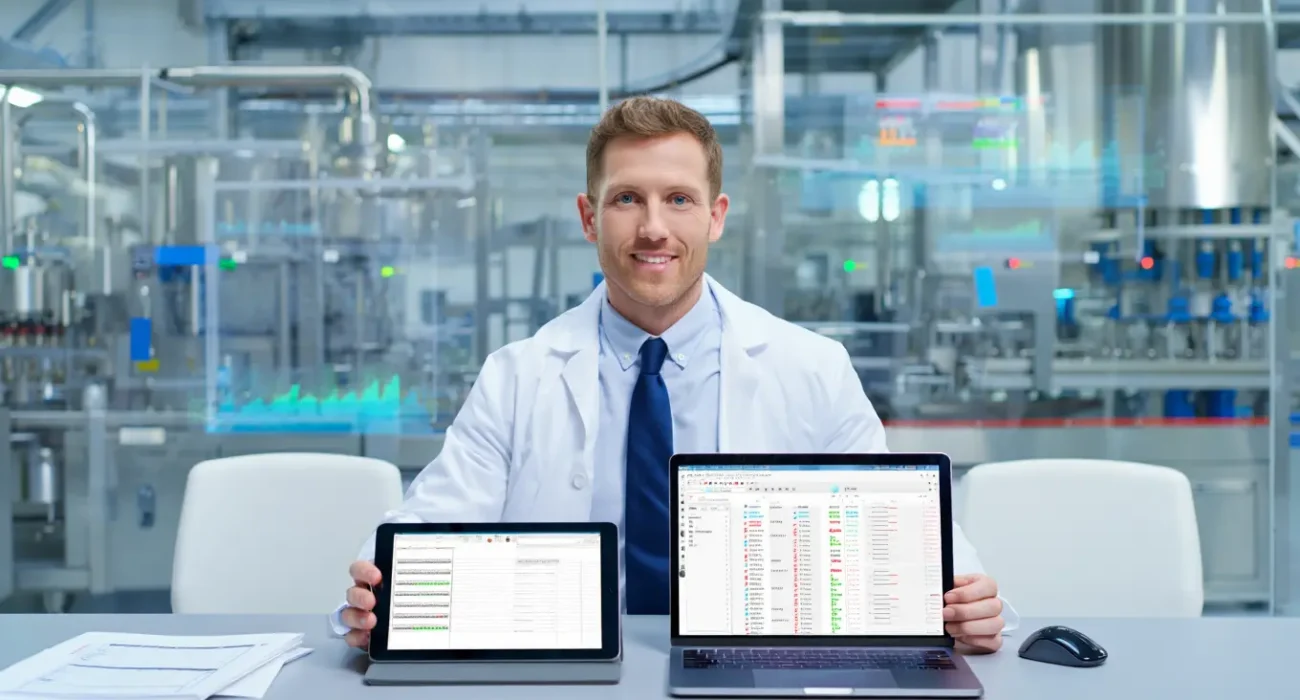
GMP auditing has evolved significantly over the past decade. As pharmaceutical operations become more complex and regulatory expectations continue to rise, traditional audit methods are no longer sufficient on their own. Manual processes, paper-based records, and reactive compliance models are being replaced by digital tools that improve visibility, accuracy, and control.
The digital transformation of GMP auditing is not about replacing regulatory principles but enhancing how they are applied. Technology enables more efficient audits, better risk identification, and stronger data integrity. For organisations operating in regulated environments, adopting digital audit tools is becoming an essential part of maintaining compliance and inspection readiness.
This article explores how technology is shaping GMP auditing today, the tools being adopted across the industry, and the key trends influencing the future of audit programmes.
Why GMP Auditing Is Entering a Digital Era
The shift towards digital GMP auditing is driven by several factors, including globalisation, increased regulatory scrutiny, and the growing volume of data generated by pharmaceutical operations.
Key drivers include:
- Complex global supply chains
- Remote and hybrid working models
- Increased focus on data integrity
- Higher expectations for inspection readiness
Digital tools allow organisations to manage these challenges more effectively by providing real-time access to information and improving audit consistency.
The Limitations of Traditional GMP Audits
While traditional audit approaches remain valid, they often rely heavily on manual effort. Paper checklists, spreadsheets, and fragmented systems can limit visibility and slow down corrective action.
Common limitations include:
- Delayed identification of compliance issues
- Inconsistent audit documentation
- Limited trend analysis
- Increased risk of human error
These challenges can weaken audit effectiveness and increase regulatory risk, particularly in fast-moving or multi-site operations.
Digital Tools Transforming GMP Auditing
Technology is reshaping how audits are planned, conducted, and followed up. Digital GMP audit tools support more structured, data-driven approaches to compliance monitoring.
Electronic Audit Management Systems
Audit management platforms centralise audit activities, from scheduling and execution to reporting and follow-up. These systems improve consistency and provide clear audit trails.
Benefits include:
- Standardised audit templates
- Automated reporting
- Real-time tracking of findings
- Improved document control
Remote and Virtual Auditing Tools
Remote auditing has become increasingly common, supported by secure video conferencing, document-sharing platforms, and digital workflows. While not suitable for all scenarios, remote tools offer flexibility and efficiency.
They are particularly useful for:
- Supplier audits
- Follow-up assessments
- Pre-inspection readiness checks
Data Integrity and Digital GMP Audits
Data integrity is a critical regulatory focus, and digital tools play a central role in supporting compliance. Electronic systems help ensure data is accurate, complete, and traceable throughout its lifecycle.
Digital audits allow organisations to:
- Assess electronic records effectively
- Identify gaps in system controls
- Verify compliance with data integrity principles
This level of visibility is difficult to achieve with manual processes alone.
Using Analytics to Strengthen Audit Outcomes
Advanced analytics are increasingly being used to enhance GMP auditing. By analysing audit findings over time, organisations can identify patterns, recurring issues, and emerging risks.
Analytics support:
- Risk-based audit planning
- Targeted corrective actions
- Continuous improvement initiatives
This approach allows audit programmes to evolve from compliance checks into strategic quality tools.
Integrating Technology with GMP Auditing Services
Digital tools are most effective when integrated with experienced audit expertise. Combining technology with professional GMP auditing services in London ensures audits remain aligned with regulatory expectations while benefiting from modern efficiency.
This integration supports:
- Regulatory-aligned audit frameworks
- Objective risk assessment
- Consistent audit execution
Cybersecurity and Compliance Considerations
As GMP auditing becomes more digital, cybersecurity and data protection must be carefully managed. Regulatory authorities expect electronic systems to be secure, validated, and access-controlled.
Key considerations include:
- System validation
- User access management
- Data backup and recovery
- Audit trail functionality
Failing to address these areas can introduce new compliance risks.
Emerging Trends in Digital GMP Auditing
Several trends are shaping the future of GMP auditing in the digital age.
Risk-Based Digital Audits
Digital tools enable more dynamic, risk-based audits by allowing auditors to focus on high-risk processes and suppliers using real-time data.
Greater Use of Remote Technologies
Hybrid audit models combining on-site and remote elements are becoming standard practice, improving efficiency without compromising compliance.
Increased Regulatory Acceptance
Regulators are increasingly familiar with digital audit methods and expect organisations to demonstrate effective electronic system controls.
Benefits of Digital GMP Auditing for Organisations
Adopting digital audit tools delivers measurable benefits across compliance and operations.
These include:
- Faster identification of compliance gaps
- Improved inspection readiness
- Better documentation and traceability
- More effective corrective actions
Ultimately, digital audits support stronger quality governance and reduced regulatory risk.
Challenges in Adopting Digital Audit Tools
Despite the benefits, transitioning to digital GMP auditing can present challenges. These may include system implementation costs, change management, and staff training requirements.
Successful adoption requires:
- Clear governance and planning
- Training and user engagement
- Alignment with regulatory expectations
With the right approach, these challenges can be effectively managed.
Preparing for the Future of GMP Auditing
The future of GMP auditing will continue to be shaped by technology. Organisations that embrace digital tools while maintaining strong regulatory fundamentals will be better positioned to manage compliance in an evolving landscape.
Preparation involves:
- Reviewing existing audit processes
- Identifying opportunities for digital enhancement
- Ensuring systems are validated and secure
Embracing Digital Tools to Strengthen GMP Audits
GMP auditing in the digital age offers organisations the opportunity to improve efficiency, accuracy, and compliance oversight. Technology enhances how audits are conducted, supports data integrity, and enables proactive risk management.
By combining digital tools with structured audit programmes, organisations can strengthen their quality systems and improve inspection readiness. The key is to ensure that technology supports, rather than replaces, sound GMP principles.
For organisations looking to modernise their audit approach or integrate digital tools into existing programmes, expert guidance can ensure a smooth and compliant transition. For more information, visit our Contact Us page to discuss how we can support your GMP auditing strategy.