


How to Prepare for a GMP Audit: Step-by-Step Guide
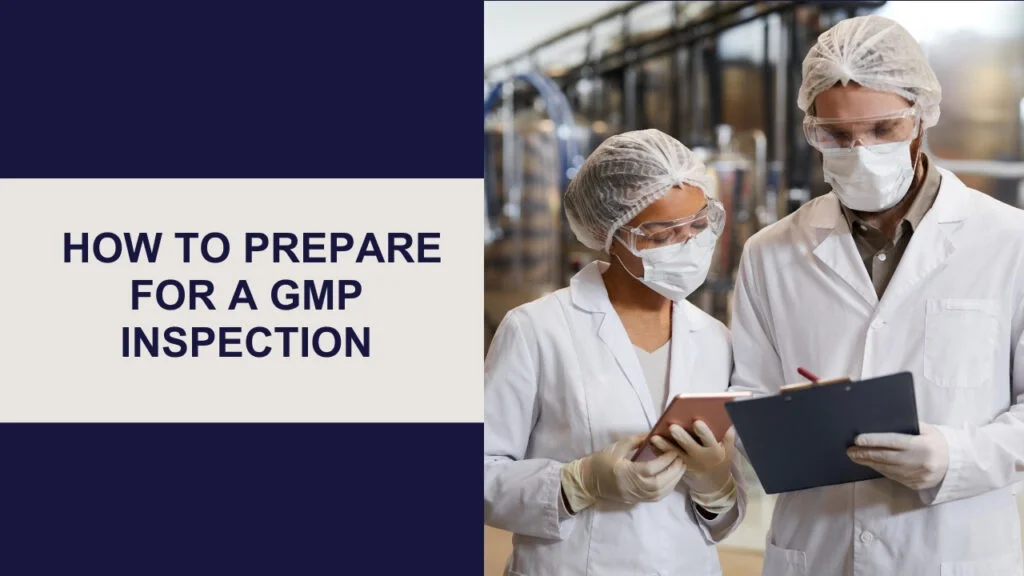
All biotechnology and pharmaceutical firms understand that compliance with regulations is not a choice. One audit can make the difference between your products flowing freely to market or being slowed, penalized financially, or simply rejected outright. The problem is that GMP (Good Manufacturing Practice) audits are thorough, exhaustive, and merciless for deficiencies in your quality systems.
This is where planning is everything. Those companies that approach an inspection without a well-defined plan tend to suffer from gaps in documentation, untrained employees, and non-compliant suppliers. In contrast, organizations that plan ahead not only succeed with fewer findings in their audit but also have a more robust compliance culture.
In this step-by-step guide, we’ll break down exactly how to prepare for a GMP audit. Along the way, we’ll show how GMP Auditing Services like Inglasia provide expert support, reduce risk, and give regulatory teams the confidence they need before facing MHRA, EMA, or FDA inspectors.
What Is a GMP Audit and Why Does It Matter?
A GMP audit is a structured review of your quality systems, processes, and facilities to ensure compliance with established regulatory standards. Pharmaceutical and biotechnology companies are expected to follow strict GMP guidelines to protect patient safety and product quality.
Regulators such as the MHRA in the UK, the EMA in Europe, and the FDA in the United States use audits to verify that manufacturers consistently produce safe and effective products. Non-compliance can lead to warning letters, import bans, heavy fines, or the suspension of a manufacturing license.
Failing an audit also creates reputational damage that can take years to recover from. For this reason, many companies turn to external experts offering GMP Auditing Services to strengthen their preparation and address blind spots before inspectors arrive.
Common Mistakes Companies Make During GMP Audits
Even experienced organizations fall into patterns that create unnecessary audit risks. Some of the most frequent errors include:
- Poor control of documentation – Incomplete records, old SOPs, or missing signatures are some of the leading observations during GMP inspections.
- Not adequate staff training – Not only should employees stick to procedures, but they must also show their knowledge through interviews.
- Third-party vendors and weak quality agreements – Logistics partners and third-party vendors are easy to neglect, but they are still part of your GMP obligation.
- Poor data integrity procedures – Electronic records, audit trails, and secure data handling are things regulators are paying growing attention to.
- Ignoring preventive maintenance and calibration – Past-due checks or validations on equipment are flags for concern.
These are problems that can be prevented with proper planning. The next section provides a structured process to prepare effectively.
Step-by-Step Guide to Preparing for a GMP Audit
Step 1 – Conduct a Gap Assessment
The basis for preparation is understanding where you are today. A gap analysis contrasts your existing systems with GMP standards to determine areas of compliance risk.
Internal staff may conduct self-audits, but engaging the services of external GMP Auditing Services gives a clearer picture. External experts bring regulatory understanding, compare your systems to industry best practice, and point out vulnerabilities your employees might miss through familiarity.
Step 2 – Review Documentation and SOPs
Documentation is the backbone of GMP compliance. Auditors will expect to see that:
- SOPs are current, clearly written, and approved by the right authority.
- Training records confirm that staff understand and follow procedures.
- Deviations and CAPAs are logged, investigated, and closed.
- Change control processes are documented and traceable.
It is not enough to have these documents in theory. They must be organized, accessible, and consistent with day-to-day operations.
Step 3 – Train and Prepare Your Team
Regulators don’t just look at paperwork; they also interview staff. Each individual, from QA managers to warehouse workers, should be prepared to respond positively.
Effective preparation includes:
- Running mock interviews to simulate auditor questions.
- Making sure subject matter experts can articulate processes without over-simplification.
- Emphasizing a culture in which compliance is viewed as normal work rather than an audit expectation.
External training sessions provided through GMP Auditing Services can help strengthen this confidence across departments.
Step 4 – Secure Supply Chain and Vendor Compliance
GMP responsibility extends beyond your facility. If your suppliers or logistics partners fail, regulators may hold you accountable. Audit readiness requires:
- Verified supplier qualification and approval records.
- Clear technical agreements defining responsibilities.
- GDP compliance for transport and storage conditions.
Your quality team should review vendor records well in advance to avoid surprises during an inspection.
Step 5 – Validate Systems and Equipment
Inspectors will look closely at system validation and maintenance records. Areas to focus on include:
- Computer System Validation (CSV) – Validating computer systems as compliant, reliable, and well-tested.
- Equipment calibration and maintenance – All equipment employed in production or testing needs to have current logs.
- Temperature mapping and monitoring – Environmental controls for warehousing, cold storage, and cleanrooms need to be recorded.
An uncalibrated instrument or missing validation report can quickly escalate into a major audit finding.
Step 6 – Perform a Pre-Audit Walkthrough
A final pre-audit walkthrough allows your QA team to simulate the inspection. Walk through the facility, review documentation access, and confirm staff readiness.
This stage is about tightening the small details: ensuring SOPs are where they should be, labels are correct, and training files are easy to retrieve. Many companies engage GMP Auditing Services to conduct this final check, giving them extra confidence.
How GMP Auditing Services in London Support Companies
Pharmaceutical and biotechnology companies across the UK benefit from expert auditors who understand both local and international regulatory expectations. Working with GMP Auditing Services in London provides:
- Objective expertise – External advisors highlight risks in-house staff can easily overlook.
- Regulatory refreshers – Advice tuned in to the newest EMA and MHRA requirements.
- Tailored audit schemes – Assistance spanning one-off readiness reviews through to continuous compliance oversight.
- Efficiency and reassurance – Efficient preparation that saves your team time and eliminates last-minute anxiety.
For companies handling EU import and batch release, computer system validation, or supply chain quality management, external support provides the level of detail inspectors demand.
Actionable GMP Audit Preparation Checklist
Before facing an inspection, every QA professional should confirm that the following are in place:
- Current SOPs and policy documents
- Employee training records
- Batch manufacturing records
- CAPA documentation and closure evidence
- Change control logs
- Equipment validation and calibration reports
- Supplier qualification and technical agreements
- GDP compliance documentation
- Environmental monitoring and temperature mapping data
This checklist forms the foundation of a successful inspection.
Why Choose Expert Consultants for GMP Audit Readiness?
Though internal teams are most familiar with their systems, seasoned consultants have other abilities:
- Understanding regulator expectations and today’s inspection trends.
- A systematic method to determine blind spots.
- Independent confirmation of your compliance position.
- Efficiency gained from supporting multiple pharma and biotech clients.
By integrating in-house capability with expert GMP Auditing Services, businesses enhance their audit results and minimize risk exposure.
Both internal and external audits serve important but distinct roles. Internal audits allow you to catch problems early, while external audits provide an objective, regulator-like perspective. Understanding the balance between the two helps maintain ongoing compliance. Read our full breakdown of internal vs external GMP audits
Final Thoughts
Preparing for a GMP audit takes more than a couple of weeks of last-minute checking of documents. It’s a continuous process that incorporates compliance into all aspects of your operations. Companies that invest in organized preparation, employee training, and professional assistance always fare better in inspections.
Instead of viewing audits as a solitary test, firms that engage the expertise of professionals create enduring systems that ensure product quality and regulatory position.
Ready for Your Next GMP Audit?
If your business is getting ready for an MHRA, EMA, or FDA inspection, professional advice can be the difference between minor findings and significant compliance issues. Inglasia offers reliable GMP Auditing Services in London, assisting pharmaceutical and biotechnology firms in enhancing their systems, educating their staff, and facing inspections with assurance.
Reach out to our consultants today and take the first step toward audit success.