Computer system validation has moved beyond the era of equal effort for every function, document, and test script. In modern regulated environments, that model is inefficient, difficult to sustain, and often misaligned with the actual compliance risk presented by complex digital systems. A risk-…
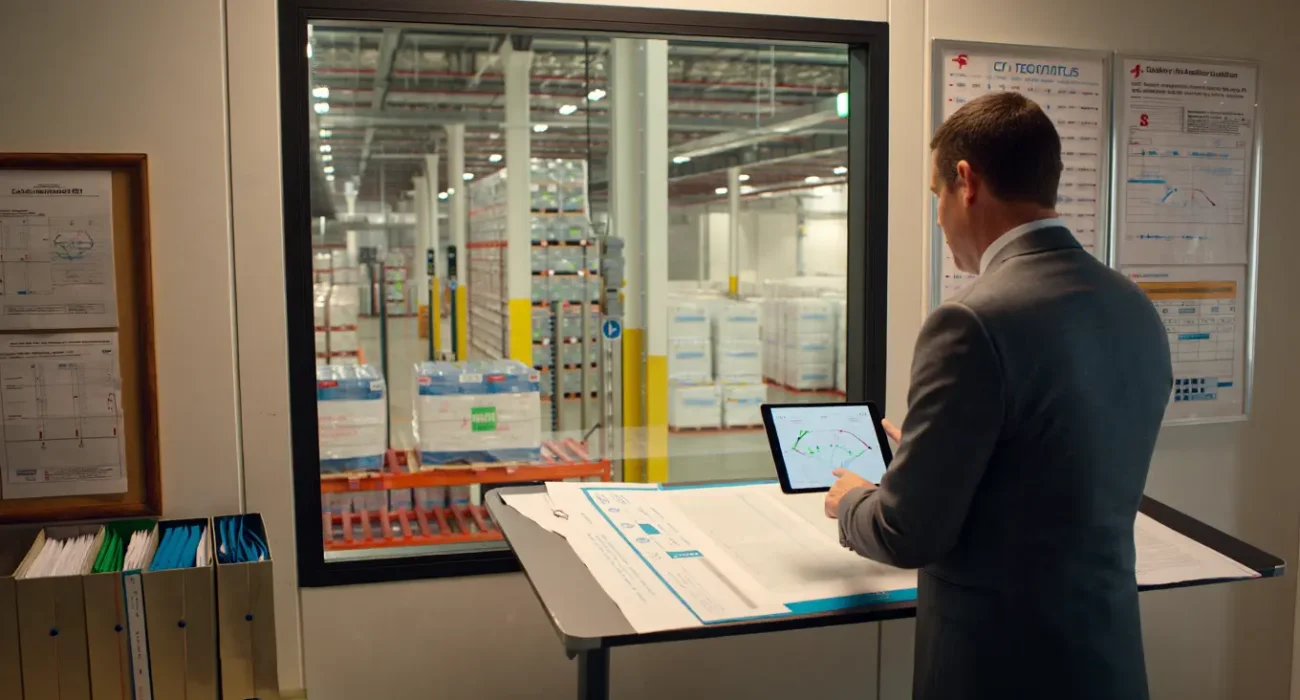
Computer system validation is rarely weakened by a single obvious failure. In most regulated environments, compliance issues emerge from accumulated weaknesses in planning, governance, documentation, supplier control, data controls, and change management. A system may appear technically sound, c…
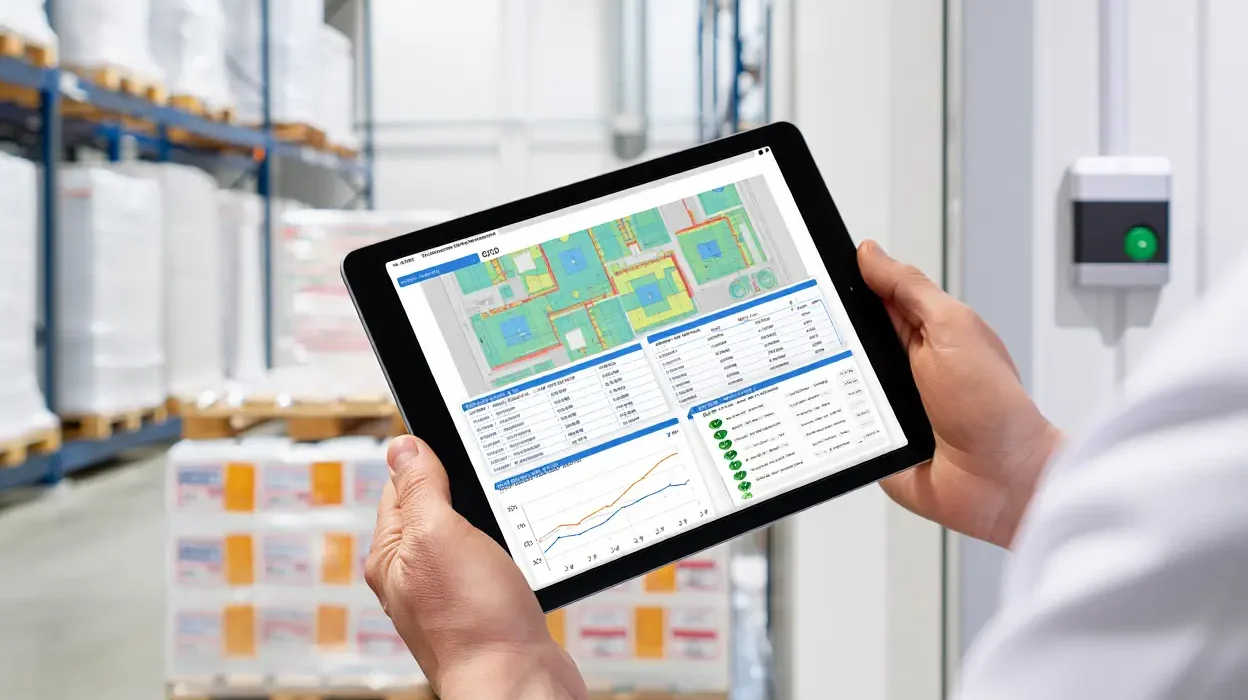
The pharmaceutical industry is undergoing rapid digital transformation. Regulatory expectations continue to tighten, supply chains are becoming more complex, and inspection standards are increasingly data driven. In this evolving environment, traditional temperature mapping methods are being enh…
Temperature control is a fundamental regulatory obligation within pharmaceutical storage, distribution, and manufacturing environments. Across the United Kingdom and the European Union, regulatory authorities require documented evidence that medicinal products are stored and transported within d…
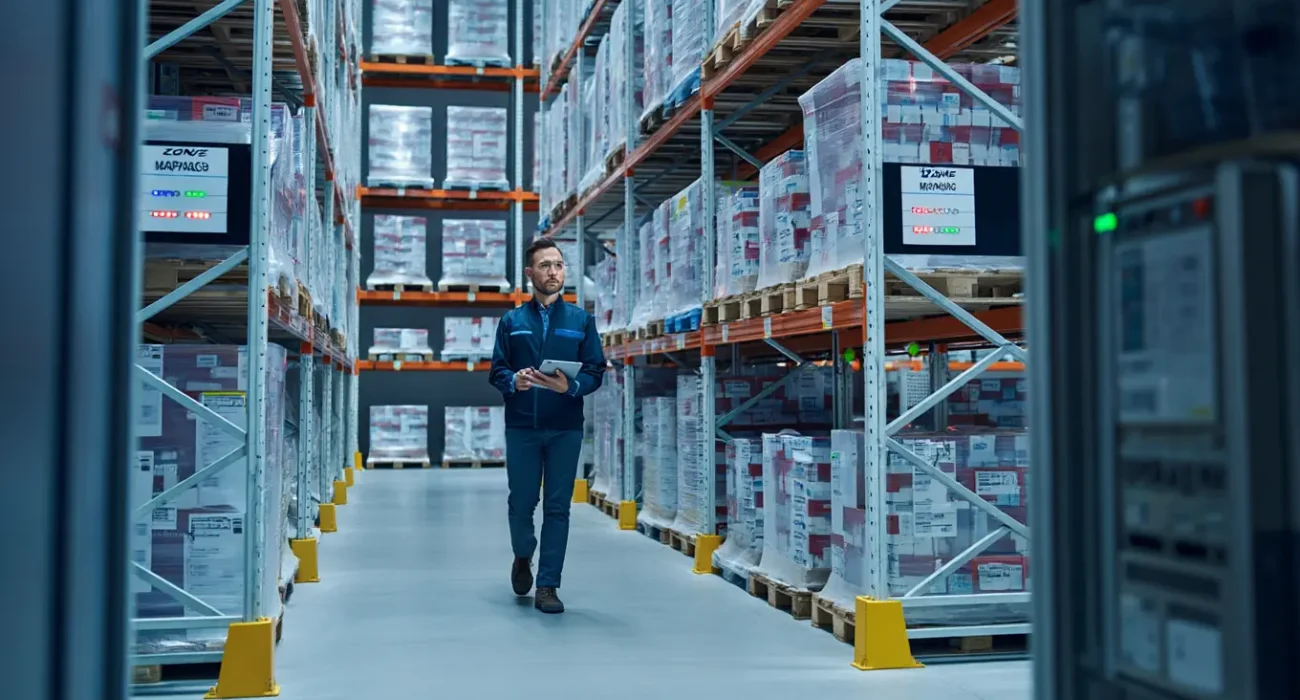
Pharmaceutical warehouses operate under strict regulatory control. Every medicinal product stored within these facilities must be protected against temperature excursions that could compromise stability, efficacy, and patient safety. Regulatory authorities require documented evidence that storag…
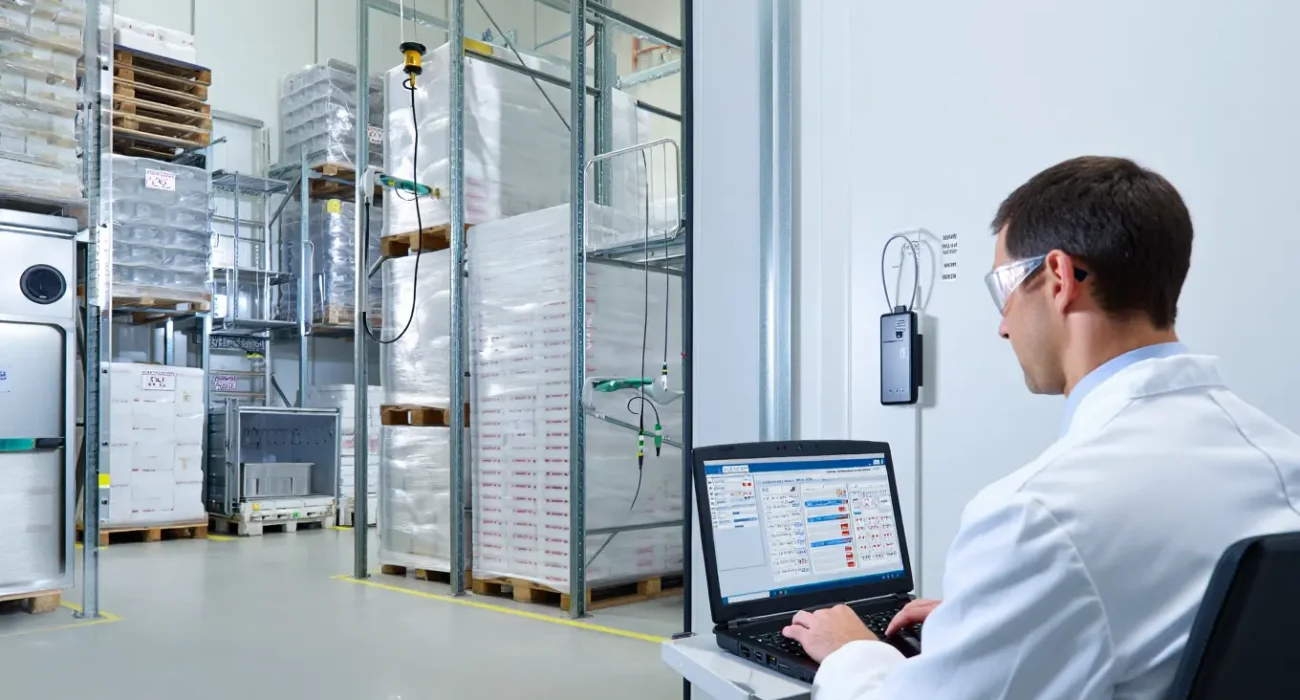
Reliable temperature control is essential in pharmaceutical, life sciences, and healthcare environments. Storage areas must maintain defined temperature ranges to ensure product quality, regulatory compliance, and patient safety. However, achieving reliable validation depends not only on methodo…
We use cookies to improve user experience and analyse website traffic. By clicking “Accept“, you agree to our website's cookie use as described in our Cookie Policy.